
Popular Wood Types Used for Deck and Porch Construction
People seeking deck and porch construction often want guidance on popular wood types used for durability and appearance, and local contractors can recommend the best options for their project.
If you're considering building or upgrading a deck or porch, understanding the popular wood types used for construction can make a significant difference in your project. Property owners in the area often explore this topic to ensure their outdoor spaces are both durable and visually appealing. Different wood choices offer various benefits, such as longevity, resistance to the elements, and aesthetic appeal, which are important factors when planning outdoor living areas. By learning about these options, you can better communicate your vision and preferences to local contractors who specialize in deck and porch construction, helping to ensure the final result aligns with your needs.
Exploring the characteristics of popular wood types used for deck and porch construction can also help property owners make informed decisions that match their lifestyle and maintenance preferences. Whether seeking a low-maintenance option or a classic look, understanding the strengths and limitations of each wood type allows for more confident planning. Local service providers experienced in outdoor construction can assist in selecting the right materials and executing the project with craftsmanship that meets your expectations. Keep reading to discover the most common wood choices and how they can enhance your outdoor space.
- Deck construction - homeowners planning new decks often seek local contractors experienced with popular wood types used for deck and porch construction to ensure durability and aesthetic appeal.
- Porch renovation - those updating or expanding existing porches may contact service providers skilled in working with common wood options used for deck and porch construction to match style and longevity.
- Wood selection advice - individuals researching the best materials for outdoor structures rely on local pros to provide guidance on popular wood types used for deck and porch construction based on climate and usage.
- Custom deck design - clients interested in personalized outdoor spaces often work with local contractors knowledgeable about popular wood types used for deck and porch construction to achieve desired looks and performance.
- Repair and restoration - property owners needing repairs or restoration of decks and porches frequently seek service providers familiar with the characteristics of common wood types used for deck and porch construction to ensure proper maintenance.
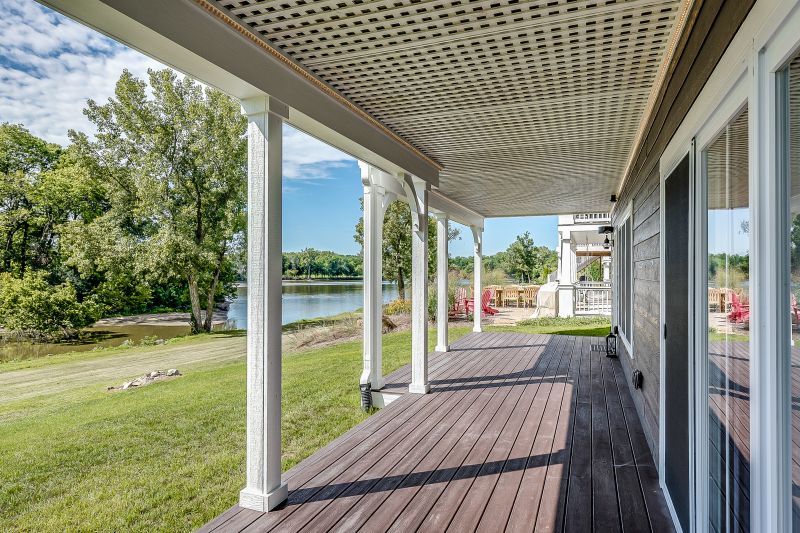
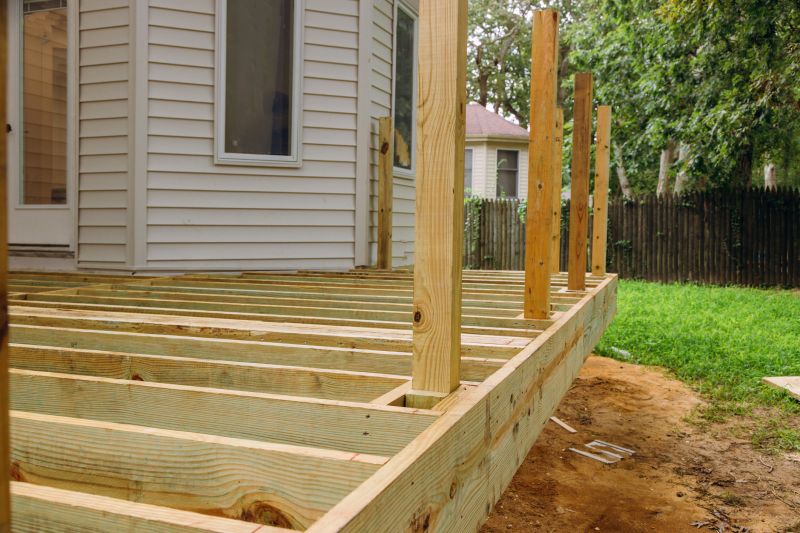
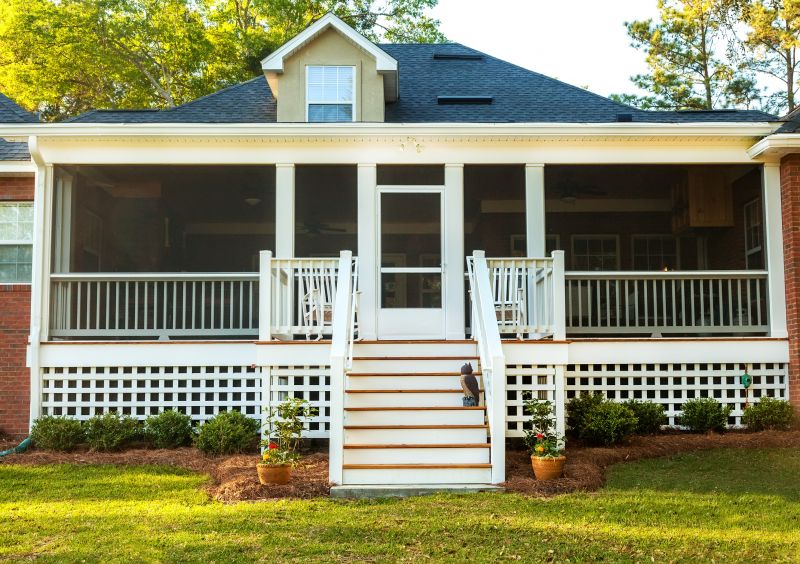
When searching for information about popular wood types used for deck and porch construction, homeowners are often exploring options to enhance the durability, appearance, and overall longevity of their outdoor spaces. This topic is commonly linked to planning or upgrading existing decks and porches, as well as building new ones. Homeowners might be considering which wood varieties will stand up to foot traffic, weather exposure, and the aesthetic they desire. Understanding the different wood types helps in making informed choices that align with the property's style and the homeowner’s maintenance preferences, ensuring the project meets both functional and visual expectations.
The discussion around popular wood types often relates to common problems homeowners face with outdoor structures, such as warping, rotting, splintering, or insect damage. It also ties into planning considerations like choosing materials that require minimal upkeep or that develop a desirable patina over time. Many property owners are interested in how different woods perform in their specific climates, and whether certain types are better suited for high-traffic areas or shaded spots. These concerns highlight the importance of selecting the right material to prevent future issues and reduce ongoing maintenance, making the role of experienced local contractors crucial in guiding the decision-making process.
Properties that typically come up in conversations about deck and porch wood types include residential homes, especially single-family houses, but also multi-family units and vacation properties. The size and style of the property often influence the choice of wood, with larger decks requiring more durable, long-lasting options. Urban or suburban homes may favor certain woods for their appearance and ease of installation, while rural properties might prioritize durability against the elements. Local contractors can assess the specific property conditions and recommend suitable wood types that match the design goals and environmental factors, ensuring the outdoor space is both attractive and resilient.
Choosing the right wood type for a deck or porch is a key step in the construction or renovation process, and it directly impacts the project’s success. Homeowners often seek guidance on which popular wood types are most widely used and trusted by professionals in their area. Local service providers can help compare options like pressure-treated lumber, cedar, redwood, or tropical hardwoods, explaining how each performs in terms of appearance, durability, and maintenance. By working with experienced contractors, property owners can ensure the selected wood complements their property’s style while meeting practical needs, leading to a finished outdoor space that is both functional and visually appealing.
Fence construction projects - local contractors skilled in working with various wood types can help build durable and attractive fences that complement decks and porches.
Outdoor furniture building - carpenters experienced in different wood materials can craft custom outdoor furniture to enhance deck and porch spaces.
Pergola and gazebo installation - specialists in wood structures can design and erect outdoor features using similar wood types for consistent aesthetics and durability.
Interior woodwork and paneling - local service providers can handle interior projects that require matching or coordinating with the wood used in outdoor deck and porch construction.
Sunroom and enclosure construction - experts can incorporate various wood types into enclosures that seamlessly blend with existing decks and porches.
Staircase and railing installation - skilled carpenters can create matching or complementary wood staircases and railings for decks and porches using similar wood materials.
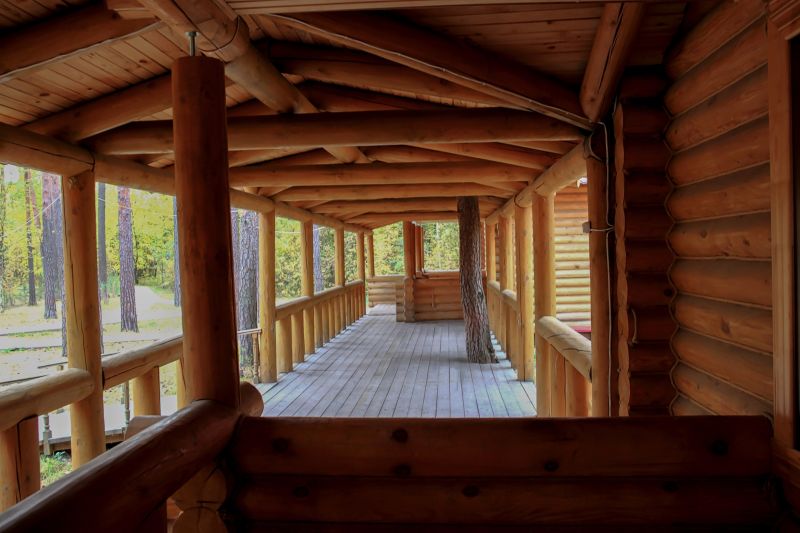
When evaluating local contractors for deck and porch construction, it’s important to consider their experience with projects involving popular wood types used for these structures. Contractors who have successfully completed similar projects can demonstrate familiarity with the characteristics, installation techniques, and maintenance considerations specific to different woods. Asking for examples or references of past work can provide insight into their expertise and help ensure they understand the nuances of working with various materials, such as cedar, redwood, or composite options. This experience can contribute to a smoother construction process and a finished product that aligns with expectations for durability and appearance.
Clear written expectations are essential when comparing service providers. Homeowners should seek detailed proposals that outline the scope of work, types of wood to be used, and the materials’ specific qualities. Well-defined documentation helps prevent misunderstandings and ensures everyone is on the same page regarding project details. Reputable contractors often provide comprehensive descriptions of their approach and clarify any questions about the wood types, installation methods, or finishes. Having this clarity upfront can make it easier to assess which service providers are transparent and attentive to the homeowner’s needs.
Effective communication is a key factor in choosing the right contractor for deck and porch projects. Service providers who are responsive and willing to discuss options related to popular wood types can help homeowners make informed decisions. Good communication also involves listening carefully to project goals and offering guidance based on experience. When comparing local contractors, it’s beneficial to observe how promptly and clearly they respond to inquiries and whether they are willing to explain the benefits and limitations of different wood choices. Strong communication can foster a collaborative relationship and contribute to a successful outcome for the construction of durable, attractive decks and porches.
Property owners often search for popular wood types used for deck and porch construction when they are planning practical projects around their homes and businesses. Local pros provide Deck and Porch Construction services for everyday jobs and straightforward project options.
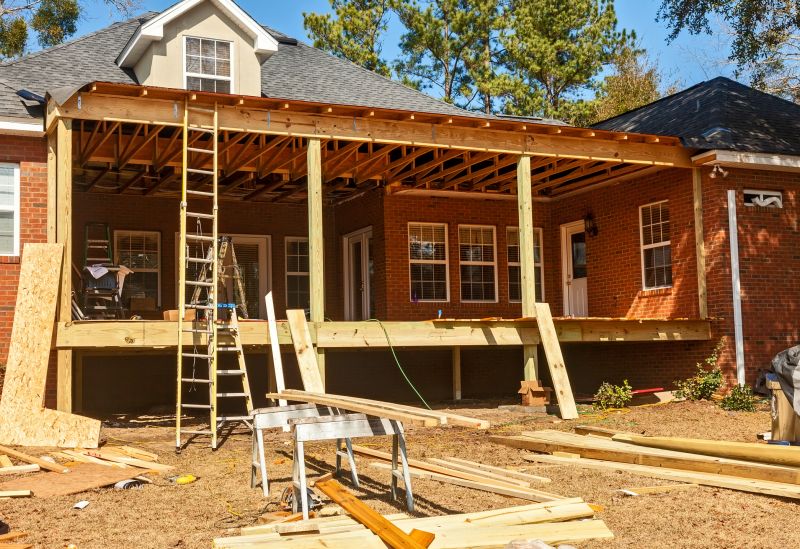
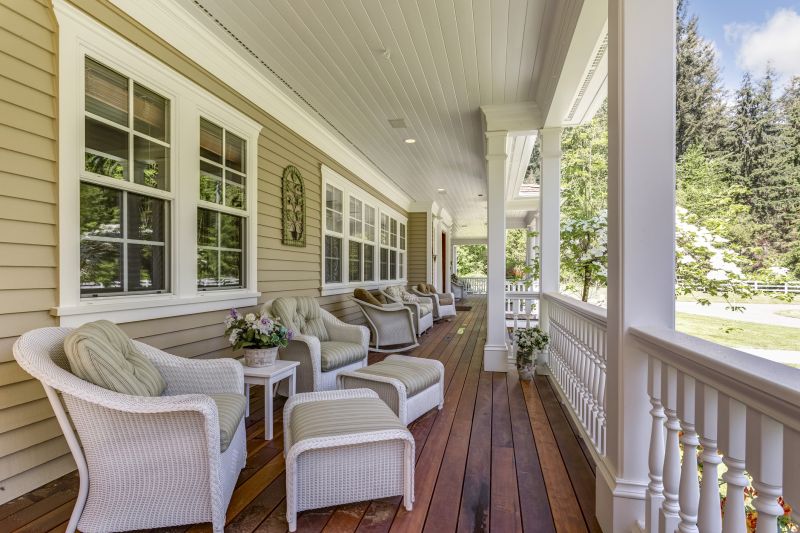
Many property owners considering a new deck or porch often look into the different types of wood used in construction to ensure their outdoor space is both durable and visually appealing. Popular wood types for deck and porch construction include options like cedar, pressure-treated lumber, and tropical hardwoods, each offering unique benefits such as resistance to decay, affordability, or striking appearance. Understanding these options helps homeowners make informed decisions about what materials will withstand daily use and weather conditions, which is why they often seek advice from local contractors experienced in working with various wood types.
When exploring deck and porch construction services, property owners frequently want to know which wood types are best suited for their specific needs and environment. Local service providers can offer insights into the advantages and limitations of different woods, helping to select the right material for lasting performance and aesthetic appeal. Connecting with experienced local contractors ensures that the chosen wood type is properly installed and maintained, providing a reliable foundation for a beautiful outdoor space that complements the property.
What are some popular wood types used for deck and porch construction? Common choices include pressure-treated pine, cedar, redwood, and tropical hardwoods like ipe, each offering different durability and appearance qualities.
Which wood types are best for resisting rot and insect damage? Woods such as cedar, redwood, and tropical hardwoods are naturally resistant to rot and insects, making them popular options for outdoor decks and porches.
Are there wood types that require less maintenance for outdoor use? Pressure-treated pine and certain composite materials are known for requiring less maintenance, but local contractors can recommend suitable options based on specific needs.
What factors influence the choice of wood for deck and porch projects? Factors include durability, appearance, cost, and resistance to weather and pests, with local service providers able to advise on the best wood types for each project.
Can local contractors help select the right wood type for my climate and usage? Yes, experienced contractors can recommend the most appropriate wood types based on local climate conditions and the intended use of the deck or porch.
Choosing durable wood types can help property owners select materials that withstand foot traffic and weather exposure for their decks and porches, ensuring long-lasting outdoor spaces with the help of local contractors.
Considering appearance and grain patterns allows property owners to customize the look of their decks and porches, with local service providers offering guidance on aesthetic options using popular wood types.
Assessing maintenance needs helps property owners decide on wood types that require minimal upkeep, with local contractors able to recommend options suited to their desired level of care.
Matching wood types to climate conditions ensures property owners choose materials that perform well in their specific environment, with local pros providing expert advice on the best options for durability and performance.
If you are thinking about popular wood types used for deck and porch construction for a property, this guide is meant to help you understand this topic, the typical project types, and how different options might fit your plans.
When you are ready, you can use the quote form on this page to share a few details about your project. From there, local pros can review the basics and follow up with options that match what you have in mind.